Why Your Power Bill Keeps Growing
Australia has some of the most expensive residential electricity in the world — wholesale prices have been volatile, network costs have risen, and most households haven't changed their habits or plans to match. The average Australian household now spends $1,400–$2,200 per year on electricity, with higher bills in QLD and SA.
The good news: there are legitimate, proven ways to reduce that number significantly. Use our Electricity Usage Calculator to benchmark your current spend before working through this list.
1. Compare and Switch Retailer (Free, 15 Minutes)
This is the highest-impact, lowest-effort action most Australians can take. Energy retailers compete aggressively for customers — but only reward switchers, not loyal long-term customers. Use the government's Energy Made Easy comparison tool (for NSW, ACT, SA, QLD, TAS) or Victorian Energy Compare to see every available offer side by side.
Savings of $200–$500 per year from switching are common. Set a calendar reminder to compare again every 12–18 months.
2. Call Your Current Retailer First
Before switching, call your existing retailer and tell them you're considering leaving. Retention teams often have access to better rates than published offers. A five-minute phone call has resulted in $150–$300 annual savings for many households.
3. Time Your Heavy Appliances
If you're on a time-of-use tariff (common with smart meters), the difference between peak and off-peak rates can be 15–25 cents per kWh. Running your dishwasher, washing machine, and dryer after 10pm or before 7am can meaningfully reduce your bill. Check your bill or retailer's website to confirm your tariff type.
4. Fix Your Hot Water System
Water heating accounts for roughly 25% of the average Australian home's energy use. If you have an electric storage hot water system running on a continuous tariff, switching to off-peak tariff hot water (it heats overnight when power is cheapest) can save $200–$400 per year with zero hardware changes — just a call to your retailer.
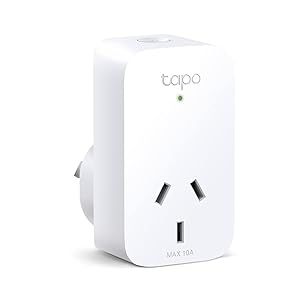
5. Get a Smart Power Strip
Standby power (devices left on but not in active use) can account for 5–10% of your electricity bill. Smart power strips cut power to devices when they enter standby. Check out energy-saving smart power strips on Amazon AU — they pay for themselves quickly.
