
Working From Home Tax Deductions in Australia (2024-25)
If you worked from home at any point during the financial year, the ATO allows you to claim a deduction for the costs you incurred doing so. The rules changed significantly in 2022-23 and have settled into their current form โ so if you're still operating on old assumptions, you could be leaving real money behind or, worse, overclaiming and inviting scrutiny.
Use our Home Office Expenses Calculator to estimate your deduction before you file.
The Two Methods
1. The Revised Fixed Rate Method (67 cents per hour)
The revised fixed rate of 67 cents per work hour covers electricity and gas, internet, stationery and computer consumables, and phone usage. It replaced the old 52-cent rate in 2022-23.
To use this method you must keep a record of your actual hours worked from home โ a timesheet, diary, roster, or similar log. The ATO no longer accepts a four-week representative period as a sample; you need records for the full income year.
What's not covered by the 67c rate: depreciation of home office furniture and equipment, cleaning, and occupation costs like rent and mortgage interest. You can claim these separately, but you'll need to apportion them based on the floor area of your dedicated workspace as a percentage of your total home floor area.
2. The Actual Cost Method
You claim every actual expense you incurred. This requires more record-keeping but will yield a larger deduction for most people with a dedicated home office.
Claimable costs include:
- Electricity and gas โ apportioned by floor area and usage hours
- Internet โ the work-related percentage of your plan cost
- Phone โ the work-related percentage of calls and data
- Depreciation of office furniture and equipment
- Cleaning costs for your office space
- Stationery, ink, and printer paper
- Repairs to home office equipment
What Counts as a Dedicated Home Office?
For the actual cost method, you need a space set aside primarily for work โ a separate room with a desk, computer, and filing, for example. Working at the kitchen table doesn't qualify for the occupation-cost portion, though you can still claim running expenses.
Furniture and Equipment Deductions
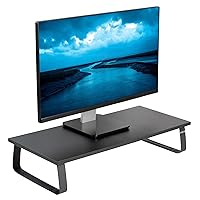
If you bought a desk, ergonomic chair, monitor, or other equipment for your home office, you can claim depreciation. Items costing $300 or less can be written off immediately. Items over $300 are depreciated over their effective life (the ATO publishes effective life tables โ a desk is typically 13 years, a laptop 3 years).
Before you buy new equipment, it's worth knowing what the ATO will let you claim. A well-specified home office setup โ a quality adjustable desk, a proper ergonomic chair, a second monitor โ can cost $1,500โ$3,000 and generate meaningful deductions across several years. Products like the FlexiSpot ergonomic chairs on Amazon AU and height-adjustable standing desks are popular choices that are fully depreciable.
Record-Keeping: The Part People Get Wrong
The ATO is clear: no records, no deduction. For the fixed rate method you need a log of hours. For the actual cost method you need receipts, invoices, and a calculation showing how you apportioned shared costs.
Keep your records for five years from the date you lodge your return โ not just until your return is processed.
Common Mistakes to Avoid
- Claiming the full internet bill. Unless you have no personal use at all, you need to apportion. Most people can reasonably claim 50โ80% depending on their household composition.
- Double-dipping on the fixed rate. If you use the 67c method, you can't also separately claim phone and internet costs โ they're already included.
- No dedicated workspace but claiming occupation costs. Rent/mortgage interest apportionment only applies if you have a genuinely dedicated work area.
- Forgetting to claim depreciation. Many people claim running costs and forget that their $2,000 laptop or $800 chair is also deductible over time.
Running the Numbers
Use our Home Office Expenses Calculator to compare the fixed rate and actual cost methods side by side. Then plug the result into the Income Tax Calculator to see the after-tax impact, and use the Tax Return Estimator to understand your likely refund position before you lodge.
The difference between the two methods can easily be $500โ$1,500 for a full-time remote worker. It takes an hour to calculate properly. That's an excellent hourly rate.