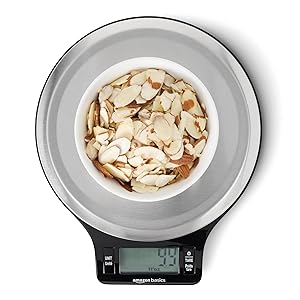
Amazon Basics Digital Kitchen Scale

Our recommendation

Precision that makes recipes repeatable.

Amazon Basics Digital Kitchen Scale

$15.22 ★★★★★ 4.6 (112K reviews)
Check price on Amazon →

Article

How Much Does Coffee Actually Cost You Over a Lifetime?

2026-04-12 · 5 min read

How Much Does Coffee Actually Cost You Over a Lifetime?

The Innocent Cup That Adds Up

Australians love coffee — we drink roughly 1.9 billion cups per year as a nation, and café culture is deeply embedded in daily life. But have you ever stopped to ask what your daily ritual actually costs over decades?

Grab a pen (or better yet, use our Coffee Cost Calculator) because the numbers are genuinely eye-opening.

The Basic Maths

The average takeaway flat white in Australia now sits at about $5.50 in a capital city, with some Melbourne and Sydney cafés charging $6–$7. Let's use $5.50 as our baseline for one coffee per weekday (250 days a year):

  • Per year: $1,375
  • Over 10 years: $13,750
  • Over 20 years: $27,500
  • Over 40 years (working lifetime): $55,000

That's a conservative estimate with zero price inflation. The Australian Bureau of Statistics reports café and restaurant prices have risen an average of 3–4% annually over the past decade. Factor in modest 3% annual price growth and your 40-year total jumps closer to $88,000.

What If You Invested It Instead?

This is where the compounding effect becomes confronting. If you took that $1,375 per year and invested it in a diversified index fund averaging 7% annual returns — a reasonable long-term estimate based on ASX historical averages — here's what happens:

  • After 10 years: ~$19,000
  • After 20 years: ~$56,000
  • After 30 years: ~$129,000
  • After 40 years: ~$272,000

You can model your exact numbers using our Compound Interest Calculator or set a coffee savings target with the Savings Goal Calculator.

The Two-Coffee-a-Day Person

Many Australians grab a morning coffee and an afternoon pick-me-up. Double everything above. Two coffees per workday at $5.50 each puts your annual spend at $2,750. Over 40 years with 3% price growth, you're looking at over $175,000 spent on coffee — and the forgone investment return pushes the opportunity cost past $540,000.

Of course, that assumes you never made coffee at home. A quality home espresso setup changes the equation entirely.

The Home Brewing Alternative

A decent home espresso machine — think a Breville Barista Express or similar — costs $600–$900. Add quality beans at $30–$40 per 250g bag (roughly 16–18 espresso shots), and your per-cup cost drops to 60–90 cents including milk.

Switching to home brew five days a week while keeping café coffee as a weekend treat (2 per week at $5.50) drops your annual spend from $1,375 to around $625 — a saving of $750 per year. That saving compounded over 30 years at 7% returns is worth over $75,000.

Browse home espresso machines on Amazon AU or check out burr grinders to start brewing café-quality coffee at home for a fraction of the price.

It's Not About Quitting Coffee

This isn't a lecture about cutting out your morning ritual. Coffee is a genuine pleasure and a social connector — asking you to give it up cold turkey is both unrealistic and joyless. The point is awareness.

A few practical levers:

  • Bring a reusable cup — many cafés give a 50-cent discount
  • Make home brew your weekday default — save café visits for when they're a real treat
  • Downsize the size — a piccolo or long black is cheaper and often stronger
  • Use a rewards app — loyalty programs can effectively reduce your per-cup cost

Run Your Own Numbers

Everyone's coffee habit is different — frequency, price point, whether you buy at work or a local café. The most useful thing you can do is plug your own numbers into our Coffee Cost Calculator and see what your personal habit adds up to over your working life. Then decide if it's worth it. For most people, some version of it absolutely is — the goal is just making that choice consciously.

How Coffee Costs Compare Across Australian Capital Cities

The price of a standard flat white varies dramatically depending on where you live. According to data collected across major metro areas in 2024-2025, the gap between the cheapest and most expensive cities can be more than $2 per cup — a difference that compounds significantly over time.

Sydney remains the most expensive coffee market in Australia, with the average takeaway flat white sitting at $6.20 in the CBD and inner suburbs like Surry Hills and Newtown. Premium locations along the harbour or in the Eastern Suburbs can push past $7.

Melbourne follows closely at around $5.80 on average, though the city's fierce café competition means you can still find excellent $4.50–$5 coffees in suburbs like Brunswick and Footscray if you know where to look.

Brisbane sits in the middle at roughly $5.30, with cheaper prices in outer suburbs and higher costs in trendy precincts like West End and Fortitude Valley.

Perth averages about $5.20, making it one of the more affordable capital cities despite Western Australia's higher cost of living in other categories.

Adelaide offers some of the best value at around $4.80 on average, with many popular cafés along Rundle Street and in the CBD charging $5 or less for quality coffee.

Canberra comes in at approximately $5.50, while Hobart averages $5.00 and Darwin sits at about $5.40.

Over a 40-year working life, the difference between living in Adelaide versus Sydney is stark. A Sydney-sider spending $6.20 per weekday coffee will spend roughly $62,000 (without inflation), compared to $48,000 for someone in Adelaide — a $14,000 difference from location alone.

If you're relocating for work or choosing between cities, coffee prices might seem trivial compared to housing costs, but they're part of a broader pattern. Cities with expensive coffee tend to have expensive everything, and those daily micro-costs accumulate faster than most people realise.

The Tax Deduction Myth: Why You Can't Claim Your Morning Flat White

A persistent misconception among Australian workers is that coffee bought on the way to work, during work hours, or at client meetings can be claimed as a tax deduction. The Australian Taxation Office has clear guidance on this, and for most employees, the answer is an unambiguous no.

According to ATO rules, food and drink expenses are generally considered private in nature and are not deductible, even if consumed during work hours. The rationale is simple: you need to eat and drink regardless of whether you're working, so these are personal living expenses, not work-related costs.

There are narrow exceptions. If you're required to work overtime and your employer doesn't provide a meal allowance, you may be able to claim a modest meal expense (not just a coffee). If you're travelling overnight for work and receiving a travel allowance, reasonable food and drink costs can be claimed. But your regular morning coffee stop? Not deductible.

The confusion often arises because business owners and sole traders can claim certain meal and beverage expenses when meeting clients or suppliers, provided there's a clear business purpose and the expense is properly documented. But even then, the ATO takes a dim view of regular coffee purchases being dressed up as business meetings.

For the typical PAYG employee buying coffee on the way to the office, there's no tax benefit whatsoever. You're paying for that $5.50 flat white with post-tax dollars, which means if you're on a marginal tax rate of 32.5%, you actually need to earn about $8.15 in pre-tax income to afford it. When you think about your coffee habit in those terms, the true cost becomes even more confronting.

Bottom line: don't reduce your tax liability by claiming coffee expenses unless you have very specific circumstances and preferably written advice from a registered tax agent. The ATO's data matching is sophisticated, and incorrect claims can trigger audits and penalties.

The Superannuation Opportunity Cost

Here's a perspective that rarely gets discussed: what if you redirected your coffee money into superannuation instead? The numbers become compelling when you consider the tax advantages of super contributions.

Let's say you're spending $1,375 per year on weekday coffees. If you're employed and earning between $45,000 and $120,000, you're paying a marginal tax rate of 32.5% (plus the 2% Medicare levy). That means you need to earn roughly $2,035 in gross income to have $1,375 left after tax for coffee.

Now consider making a salary sacrifice contribution to your super instead. Contributions are taxed at just 15% inside super (assuming you're under the $250,000 concessional cap). That same $2,035 in pre-tax salary, when directed to super, becomes $1,730 after the contributions tax — giving you an immediate $355 benefit compared to taking it as salary and buying coffee.

Over time, the compounding effect inside super is dramatic. Super funds have historically returned around 7–8% annually over the long term, and investment earnings are taxed at a maximum of 15% (often lower due to franking credits and capital gains discounts), compared to your marginal rate outside super.

A 30-year-old who salary sacrifices $2,035 per year instead of spending $1,375 on coffee will have an extra $350,000 in super by age 67, assuming 7% annual returns. That's not just the money you didn't spend on coffee — that's the benefit of contributing pre-tax dollars, reducing the tax on contributions, and allowing the money to compound in a tax-advantaged environment for decades.

For younger workers especially, the opportunity cost of regular coffee spending isn't just the compound returns you'd get in a regular investment account — it's the supercharged returns you could achieve inside super with its preferential tax treatment.

Of course, the trade-off is you can't access super until preservation age (currently between 60 and 65, depending on when you were born). But if you're thinking about long-term wealth building and retirement security, redirecting even a portion of your coffee budget to super can make a material difference to your financial position decades from now.

When Café Coffee Actually Makes Financial Sense

Despite everything above, there are legitimate scenarios where buying café coffee regularly is the rational financial choice — not just an indulgence you're justifying.

If you're self-employed or running a business, a local café can function as your office. For $5.50 and a couple of hours at a table, you get climate control, wifi, amenities, and a change of environment that can genuinely boost productivity. Compare that to a $400–$800 monthly co-working space membership and the café becomes remarkably cost-effective. Many freelancers and consultants find that two or three coffees per week at the same café builds relationships that lead directly to referrals and business opportunities. When that's the case, your coffee isn't a personal expense — it's networking infrastructure.

Shift workers and healthcare professionals often have no practical alternative. A nurse finishing a 12-hour overnight shift doesn't have the option to brew a leisurely home espresso at 7am when they desperately need caffeine before driving home. Emergency service workers, pilots, and others with irregular schedules frequently need coffee at times and places where home brewing simply isn't feasible. In these cases, café coffee is a necessary cost of working the job, even if it's not tax-deductible.

For people with mental health considerations, the daily café visit can serve a function that goes well beyond caffeine. Regular customers often describe their coffee routine as a social anchor — a daily interaction with familiar faces that combats isolation, particularly for people living alone or working from home. The value of that human connection and routine is hard to quantify financially, but for someone who would otherwise spend money on a psychologist or counsellor, a $5.50 daily conversation with a friendly barista might actually be a cost-effective intervention.

Time value matters too. If you're a surgeon earning $400 per hour, spending 10 minutes making a coffee at home costs you $67 in opportunity cost — far more than the $5.50 takeaway. High-income professionals who bill by the hour or have genuinely limited discretionary time may find that café coffee is the economically rational choice, even if it feels extravagant to others.

The key is being honest about which category you actually fall into. If your café coffee genuinely serves a business function, provides necessary convenience for your work pattern, delivers measurable mental health value, or saves you time that's worth more than the cost, then it's not a mindless habit — it's a considered allocation of resources. But if you're simply on autopilot, the calculations earlier in this article should give you pause.

Our pick

Amazon Basics Digital Kitchen Scale

Amazon Basics Digital Kitchen Scale

Precision makes the difference between a good recipe and a great one.

$15.22 ★★★★★ 4.6 (112K reviews)
Check price on Amazon →

We independently recommend products. We may earn a commission at no extra cost to you.

If you want consistent results, the BAGAIL Coffee Scale with Timer ($36.99, 4.4★ from 850 reviews) is worth a look. Affiliate link

FAQ

Frequently asked questions

How much does the average Australian spend on coffee per year?

Based on a daily takeaway coffee at around $5.50 on weekdays, the average Australian spends roughly $1,375 per year on café coffee. Those who grab two coffees per day can easily spend $2,500–$3,000 annually.

Is making coffee at home really that much cheaper?

Yes, significantly. A home espresso setup costs 60–90 cents per cup including milk, compared to $5–$7 at a café. Even after recouping the cost of equipment, home brewing saves hundreds of dollars per year.

What's the opportunity cost of buying coffee every day?

If you invested $1,375 per year (one daily weekday coffee) at an average 7% annual return, after 40 years you'd have approximately $272,000. This is the opportunity cost — what that money could have become if invested instead.

What is a reasonable coffee price to use for calculations in Australia?

As of 2026, a standard flat white or latte at an Australian café costs between $5 and $7. A midpoint of $5.50–$6 is a reasonable planning figure for major cities. Regional areas may be slightly cheaper.

Does the Coffee Cost Calculator account for price inflation?

Our Coffee Cost Calculator lets you set an annual price increase percentage so you can model how rising café prices affect your long-term spending. Australian café prices have historically risen around 3–4% per year.

BAGAIL Coffee Scale with Timer

$36.99 ★★★★ 4.4 (850)
Check price →